A PAP smear is one of the simplest and most effective screening tests available for women's health. It plays a vital role in identifying abnormal changes in cervical cells before they develop into cervical cancer. Since these changes often occur without noticeable symptoms, regular screening helps detect potential concerns early, allowing timely treatment and significantly improving health outcomes.
Many women postpone cervical screening because they feel healthy or assume it is unnecessary. However, preventive care is designed to detect problems before symptoms appear. A routine PAP smear is an essential part of maintaining long-term reproductive health, regardless of whether you are experiencing any discomfort.
What Does a PAP Smear Detect?
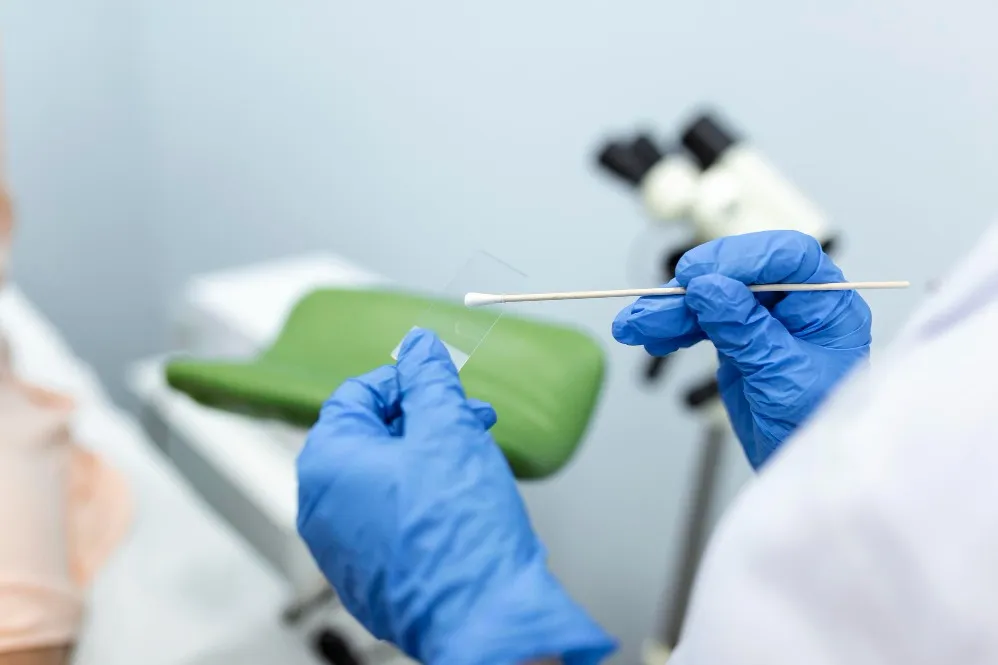
A PAP smear involves collecting a small sample of cells from the cervix, which is then examined in a laboratory. The test helps identify:
- Precancerous cervical cell changes
- Early-stage cervical cancer
- Certain infections or inflammation affecting the cervix
- Cell abnormalities that require further evaluation
Detecting these conditions early allows doctors to recommend appropriate follow-up care before they become more serious.
Who Should Consider Regular Screening?
Most women should begin cervical screening based on medical recommendations related to their age and health history. Your gynecologist may advise regular PAP smear testing if you:
- Are within the recommended screening age group
- Have been sexually active
- Have previously had abnormal PAP smear results
- Have a weakened immune system
- Have a family history of cervical cancer
- Require regular preventive gynecological care
The frequency of testing varies depending on age, previous reports, and individual risk factors.
How the Test Is Performed
A PAP smear is usually completed during a routine gynecological examination and typically takes only a few minutes.
During the procedure:
- A speculum is gently inserted to examine the cervix.
- A soft brush or spatula collects cervical cells.
- The sample is sent to a laboratory for detailed analysis.
Although some women experience mild discomfort, the procedure is generally quick and well tolerated without the need for anesthesia.
Preparing for a PAP Smear
A few simple precautions can help improve the accuracy of the test:
- Schedule the test when you are not menstruating.
- Avoid sexual intercourse for 24 to 48 hours beforehand.
- Refrain from using vaginal creams or medications unless advised by your doctor.
- Inform your gynecologist about pregnancy, previous cervical procedures, or current medications.
These steps help ensure that the collected sample provides reliable results.
Understanding the Results
Receiving an abnormal PAP smear result does not necessarily mean you have cancer. In many cases, abnormal findings are caused by infections, inflammation, or temporary cellular changes that can resolve naturally or with treatment.
Depending on the report, your doctor may recommend:
- Repeat PAP smear after a specified period
- HPV testing
- Colposcopy for closer examination
- Additional diagnostic procedures if required
Prompt follow-up is important to ensure appropriate care and monitoring.
The Role of Preventive Women's Healthcare
Routine cervical screening is only one aspect of comprehensive preventive healthcare. Regular gynecological check-ups also help identify conditions such as menstrual disorders, infections, fibroids, hormonal imbalances, and other reproductive health concerns before they progress.
Women in Thane are increasingly recognizing the value of preventive healthcare rather than waiting for symptoms to develop. Regular consultations provide an opportunity to discuss lifestyle, reproductive planning, menopause, contraception, and overall well-being with an experienced specialist.
Ashwini Maternity and Nursing Home incorporates preventive gynecological services, including cervical screening, into a broader approach that focuses on early diagnosis and individualized patient care. Such routine evaluations help women make informed decisions about their reproductive health throughout different stages of life.
Making cervical screening a regular part of your healthcare routine offers reassurance and supports long-term wellness. A PAP smear requires only a few minutes but provides valuable information that can contribute significantly to protecting your health for years to come.
Keywords