
Trying to conceive can become stressful when pregnancy does not happen within the expected period. Infertility evaluation is designed to identify factors that may be affecting conception rather than assuming that the difficulty originates from one partner.
Fertility depends on several processes working together, including ovulation, healthy reproductive anatomy, sperm factors and appropriate timing.
When Should Fertility Evaluation Begin?
A common clinical approach is to consider evaluation after approximately 12 months of regular unprotected intercourse without pregnancy for women below 35.
For women aged 35 and above, assessment may be considered earlier because fertility changes with age.
Earlier evaluation can also be relevant when there are:
- Very irregular or absent periods
- Known PCOS
- Previous pelvic infections
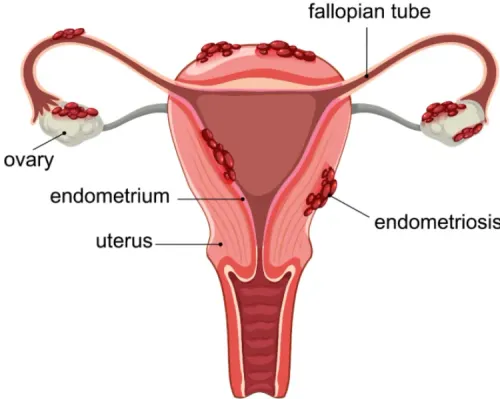
- Endometriosis
- Previous reproductive surgery
- Recurrent pregnancy loss
- Known male fertility concerns
Individual circumstances remain important.
Fertility Assessment Should Consider Both Partners
One common mistake is focusing exclusively on the female partner.
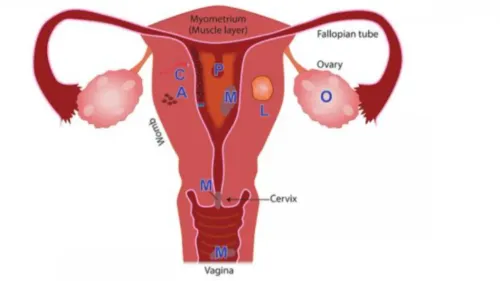
Female evaluation may include menstrual and ovulation history, ultrasound and selected hormone investigations. Depending on the situation, assessment of the uterus and fallopian tubes may also be relevant.
Male fertility evaluation may include medical history and semen analysis.
Examining both sides can prevent unnecessary delays.
Does Infertility Always Mean IVF Is Needed?
No.
Treatment depends on the cause identified. Some couples may need advice regarding timing or management of an underlying condition. Others may require ovulation-related treatment, procedures or assisted reproductive options.
The correct pathway cannot be determined simply from how long a couple has been trying.
Preparing for Your First Fertility Consultation
Couples visiting a fertility care provider in Thane can prepare details about menstrual cycles, previous pregnancies, medications, medical conditions and previous investigations.
Ashwini Maternity and Nursing Home provides gynecological and infertility assessment in Thane, helping identify factors that may require further investigation or treatment.
Fertility evaluation is most useful when approached systematically. Identifying whether the issue involves ovulation, reproductive anatomy, male factors or a combination of concerns helps create a more focused path forward rather than beginning treatment without understanding the possible cause.
Keywords