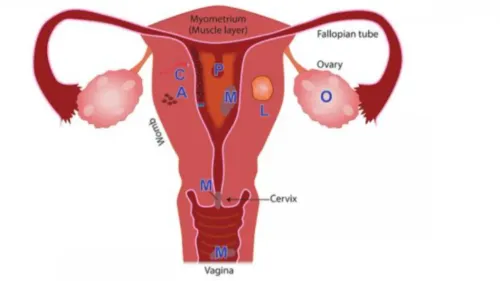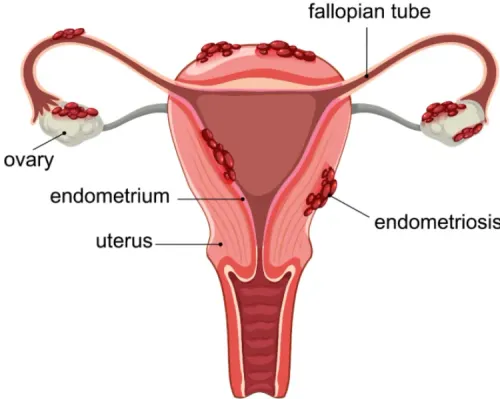

Hysterectomy is surgery to remove the uterus. It may be recommended for certain gynecological conditions when symptoms are significant and other treatment options are unsuitable, ineffective or unlikely to address the underlying problem adequately.
Because hysterectomy is a major and permanent treatment decision, understanding the indication and surgical approach is particularly important.
Why Might a Hysterectomy Be Recommended?
Depending on individual circumstances, hysterectomy may be considered for conditions such as:
- Symptomatic uterine fibroids
- Persistent abnormal uterine bleeding
- Adenomyosis
- Uterine prolapse
- Certain cases of endometriosis
- Precancerous or cancer-related conditions
The reason for surgery should be clearly established before deciding how the procedure will be performed.
Are There Different Types of Hysterectomy?
Yes. The extent of surgery can differ.
In some procedures, the uterus and cervix are removed. In others, additional reproductive structures may need consideration depending on age, diagnosis and clinical circumstances.
Removal of the uterus does not automatically mean that the ovaries must also be removed. This is an important subject to discuss before surgery because ovarian function influences hormones.
How Can Hysterectomy Be Performed?
Depending on the diagnosis and patient factors, surgery may be performed through:
- An abdominal incision
- A vaginal approach
- Laparoscopic techniques
Each approach has different indications. The smallest incision is not automatically the correct option for every condition.
Questions Worth Asking Before Making a Decision
Before proceeding, women can ask:
- Why is hysterectomy recommended?
- Are there reasonable alternatives?
- Which organs will be removed?
- Which surgical approach is planned?
- How could surgery affect hormonal function?
- What recovery restrictions should be expected?
Ashwini Maternity and Nursing Home provides gynecological evaluation and surgical planning for women in Thane based on individual diagnoses and clinical requirements.
A decision about hysterectomy should come after a clear understanding of the condition being treated, alternative options and expected recovery. A meaningful preoperative discussion allows women to know not only what operation is being proposed but also why that particular approach has been recommended.
Keywords