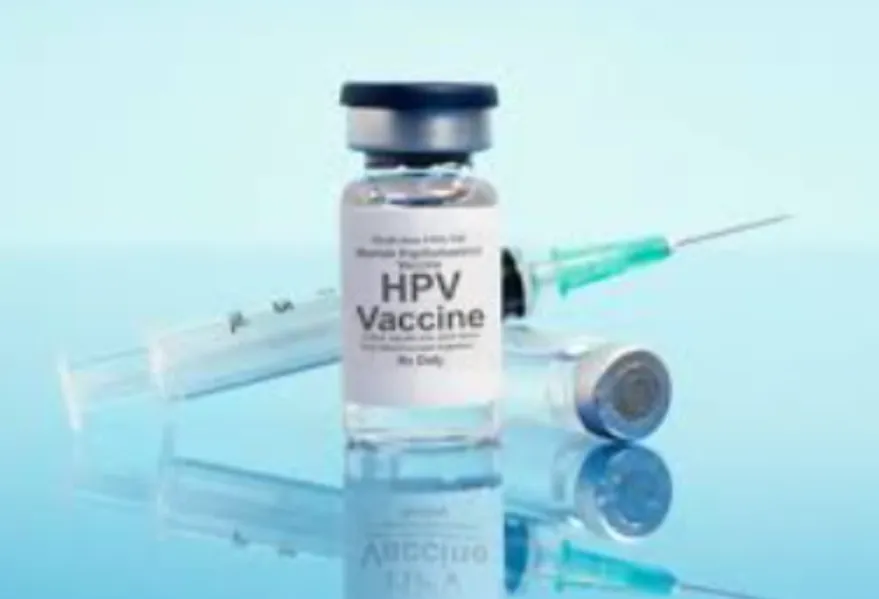
Human Papillomavirus (HPV) is one of the most common viral infections affecting both women and men. While many HPV infections clear naturally without causing problems, certain high-risk strains can lead to cervical cancer and other diseases if left undetected. HPV vaccination has become an important preventive measure that significantly reduces the risk of these complications.
Learning how the vaccine works, who should receive it, and why it complements regular cervical screening can help individuals make informed healthcare decisions.
What Is HPV?
HPV is a group of viruses that spread primarily through intimate skin-to-skin contact. Most infections do not produce symptoms, meaning many people are unaware they carry the virus.
Some HPV types are considered low risk and may cause warts, while others are high risk because they can lead to abnormal cervical cell changes over time.
Persistent infection with high-risk HPV strains is one of the leading causes of cervical cancer.
How HPV Vaccination Works
The vaccine helps the immune system recognize and protect against the most harmful HPV strains before infection occurs.
It is designed to:
- Reduce the risk of cervical cancer
- Prevent many HPV-related precancerous changes
- Lower the chances of HPV-related genital diseases
- Provide long-term protection against targeted virus strains
The vaccine is preventive rather than curative, which means it works best before exposure to HPV.
Who Should Receive the Vaccine?
Doctors generally recommend HPV vaccination for:
- Preteens before becoming sexually active
- Teenagers who missed earlier vaccination
- Young adults who have not completed vaccination
- Certain adults after medical evaluation
Even individuals who are sexually active may still benefit, depending on their health history and risk factors.
Is the Vaccine Safe?
HPV vaccines have undergone extensive clinical research and continuous safety monitoring worldwide.
Common side effects are usually mild and temporary, including:
- Mild pain at the injection site
- Temporary swelling
- Low-grade fever
- Fatigue
- Mild headache
Serious side effects are rare, and healthcare providers evaluate each individual before vaccination.
Why Vaccination Does Not Replace PAP Smears
One common misconception is that vaccinated women no longer require cervical screening. In reality, regular PAP smears remain essential because:
- The vaccine does not protect against every HPV strain.
- Vaccination cannot treat existing infections.
- Cervical screening detects abnormal cells regardless of vaccination status.
Combining vaccination with routine screening offers the strongest protection against cervical cancer.
Addressing Common Concerns
Many families hesitate because of myths surrounding HPV vaccination. Scientific evidence consistently shows that the vaccine is intended to prevent disease and does not affect fertility or future pregnancy.
Discussing concerns openly with a qualified gynecologist can help patients understand the benefits and make informed choices based on current medical recommendations.
Preventive Healthcare Beyond Vaccination
Women's health involves much more than treating illnesses after they occur. Preventive healthcare includes routine examinations, cervical screening, reproductive health counseling, menstrual health management, and education about long-term wellness.
In Thane, greater awareness about preventive gynecology has encouraged more families to consider HPV vaccination as part of a proactive healthcare plan. Along with regular check-ups, healthy lifestyle habits, and appropriate screening, vaccination contributes to reducing the burden of cervical cancer in the community.
Ashwini Maternity and Nursing Home provides guidance on preventive women's healthcare, helping patients understand when HPV vaccination may be appropriate based on age, medical history, and individual health needs. Personalized consultation ensures every patient receives recommendations suited to their specific circumstances.
Preventing disease is often easier than treating it later. Understanding HPV vaccination empowers women and families to take informed steps toward protecting long-term reproductive health.
Keywords