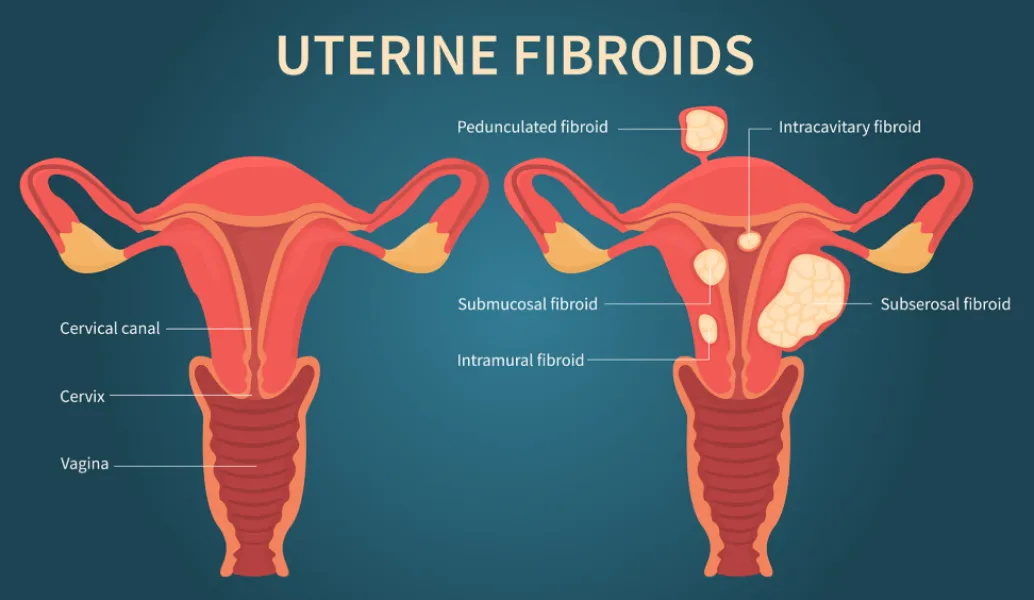
Fibroids are among the most common gynecological conditions affecting women during their reproductive years. Although these non-cancerous growths develop within or around the uterus, many women remain unaware of their presence because fibroids often grow slowly and may not cause symptoms initially. When left untreated, however, larger fibroids can interfere with daily activities, menstrual health, fertility, and pregnancy.
Recognizing the warning signs early allows women to seek medical advice before symptoms become severe and treatment becomes more complex.
What Are Fibroids?
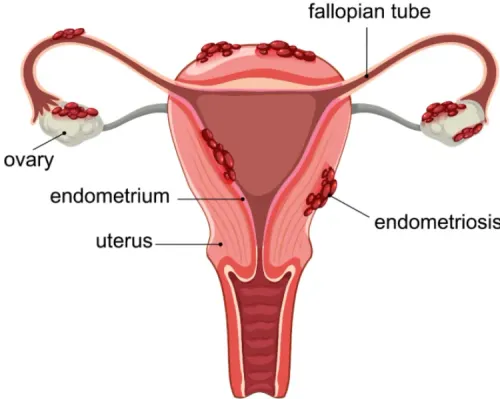
Fibroids, also known as uterine leiomyomas, are benign growths made up of muscle and fibrous tissue. They vary greatly in size, number, and location within the uterus.
Some women develop a single fibroid, while others may have multiple growths that enlarge gradually over time.
Although fibroids are not cancerous, they can significantly affect a woman's quality of life depending on their size and position.
Common Symptoms That Should Not Be Ignored
Many women dismiss early symptoms as normal menstrual changes. However, persistent symptoms deserve medical attention.
Common signs include:
- Heavy menstrual bleeding
- Menstrual periods lasting longer than usual
- Pelvic pressure or pain
- Frequent urination
- Constipation caused by pelvic pressure
- Lower back discomfort
- Pain during intercourse
- Difficulty conceiving in some cases
Not every woman experiences all of these symptoms, making routine gynecological examinations especially important.
Why Do Fibroids Develop?
The exact cause of fibroids is not completely understood, but several factors are believed to contribute to their development.
These include:
- Hormonal changes
- Family history
- Increasing age during reproductive years
- Obesity
- Early onset of menstruation
While these factors may increase the likelihood of developing fibroids, regular medical evaluation helps identify them before complications arise.
How Fibroids Are Diagnosed
Diagnosis usually begins with a detailed medical history and pelvic examination. Depending on the findings, additional investigations may be recommended.
These commonly include:
- Pelvic ultrasound
- MRI scan for selected patients
- Hysteroscopy
- Laparoscopy when necessary
- Laboratory investigations
Accurate diagnosis helps determine the size, number, and location of fibroids, allowing doctors to recommend the most appropriate treatment.
Treatment Options Based on Individual Needs
Not every fibroid requires surgery. Treatment depends on symptoms, age, fertility goals, and overall health.
Management options may include:
- Observation with regular monitoring
- Medications to control symptoms
- Hormonal therapy
- Hysteroscopic procedures
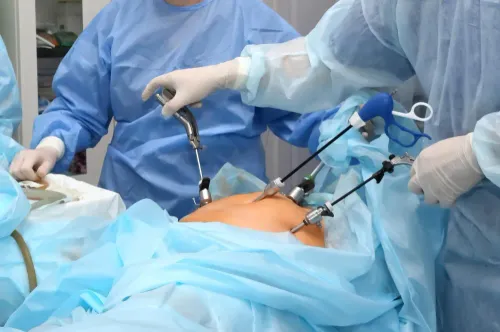
- Laparoscopic fibroid removal
- Surgical treatment for larger or symptomatic fibroids
The most suitable treatment is always determined after careful clinical evaluation.
When Should You Seek Medical Advice?
You should consult a gynecologist if you experience:
- Excessively heavy menstrual bleeding
- Persistent pelvic pain
- Pressure affecting bladder or bowel function
- Difficulty becoming pregnant
- Rapid increase in abdominal size
- Menstrual symptoms that interfere with daily activities
Early consultation often allows less invasive treatment and helps prevent complications.
Women in Thane are becoming increasingly aware of the importance of regular women's health check-ups, leading to earlier diagnosis of fibroids before they significantly affect fertility or overall well-being. Routine gynecological care plays a key role in identifying uterine conditions at an early stage.
Ashwini Maternity and Nursing Home provides comprehensive evaluation for women experiencing symptoms that may indicate fibroids. Individualized treatment planning ensures that every patient receives care based on her medical condition, reproductive goals, and long-term health requirements.
Fibroids are common, but they should never be ignored when symptoms become persistent. Recognizing the warning signs early and seeking timely medical advice can make treatment more effective, improve quality of life, and help preserve reproductive health for the future.
Keywords