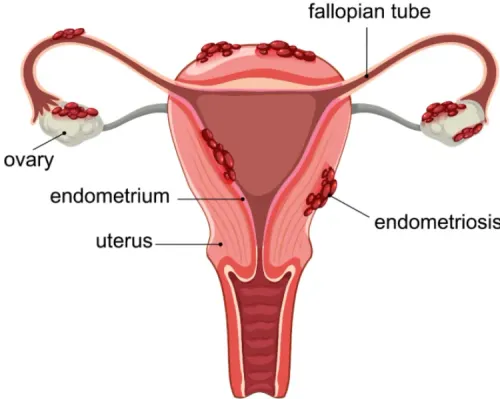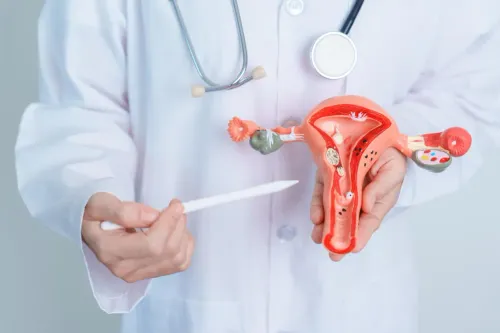
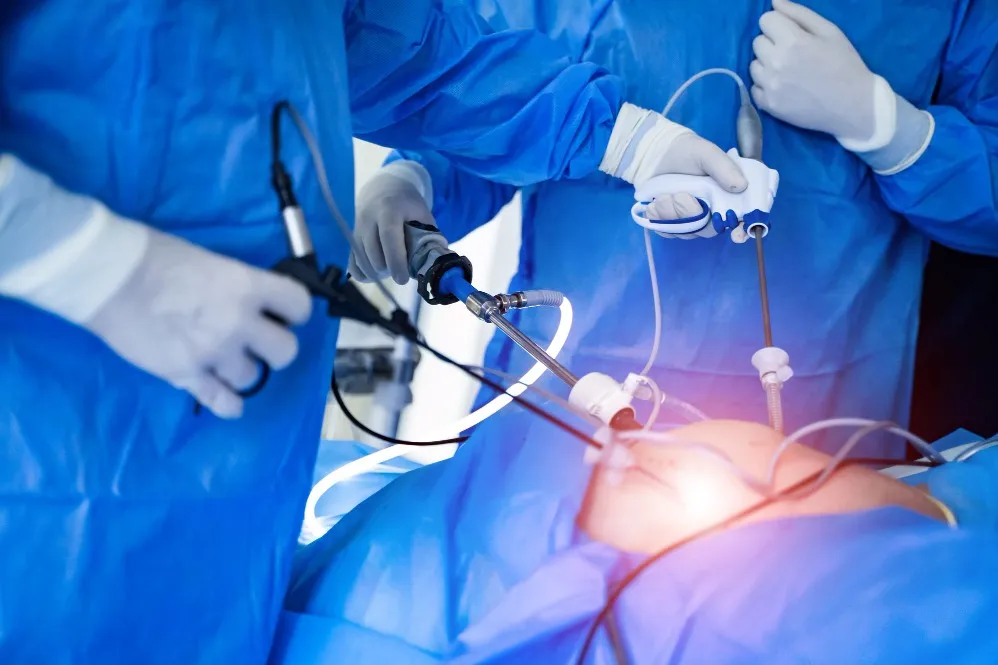
Gynecological conditions such as chronic pelvic pain, endometriosis, ovarian cysts, and infertility can significantly affect a woman's quality of life. While medications may successfully treat many cases, some conditions require a closer examination of the reproductive organs before an accurate diagnosis can be made. This is where laparoscopy has transformed women's healthcare. As a minimally invasive surgical procedure, laparoscopy allows doctors to diagnose and treat several gynecological disorders with greater precision while helping patients recover faster than with traditional open surgery.
Many women hesitate when surgery is mentioned, but understanding how laparoscopy works and why it is recommended can help reduce anxiety and encourage timely medical care.
Understanding Laparoscopy
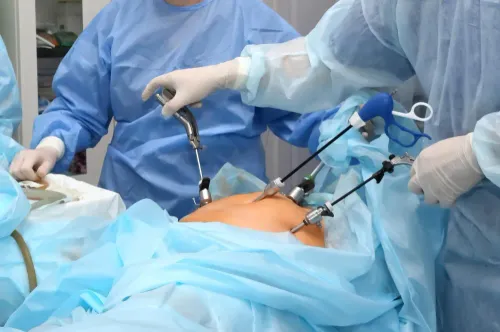
Laparoscopy is a modern surgical procedure performed using a thin instrument called a laparoscope, which contains a high-definition camera and light source. The instrument is inserted through a small incision in the abdomen, allowing the surgeon to clearly examine the uterus, ovaries, fallopian tubes, and surrounding pelvic structures.
Unlike conventional surgery that requires a larger incision, laparoscopy uses tiny openings, resulting in less tissue damage and a smoother recovery.
Conditions That Can Be Diagnosed and Treated
Laparoscopy is commonly recommended when symptoms cannot be fully explained through physical examination or imaging studies alone. It also allows certain conditions to be treated during the same procedure.
Doctors may recommend laparoscopy for:
- Endometriosis
- Fibroids requiring surgical management
- Ovarian cysts
- Pelvic adhesions
- Chronic pelvic pain
- Ectopic pregnancy
- Infertility evaluation
- Fallopian tube abnormalities
The procedure enables specialists to obtain a detailed view of the pelvic organs, helping them make accurate treatment decisions.
Benefits Beyond Smaller Incisions
One of the reasons laparoscopy has become widely preferred is that it offers several advantages over traditional open surgery.
Patients often experience:
- Smaller surgical scars
- Less postoperative pain
- Reduced blood loss
- Lower risk of infection
- Shorter hospital stay
- Faster return to daily activities
- Improved surgical precision
Although recovery differs for every patient, most women resume normal routines sooner than they would after conventional surgery.
What to Expect During the Procedure
Laparoscopy is performed under general anesthesia. After making one or more tiny incisions, the surgeon gently inserts the laparoscope to examine the pelvic organs. If treatment is required, specialized instruments are introduced through additional small incisions to perform the necessary procedure.
Depending on the complexity of the condition, surgery may take anywhere from 30 minutes to several hours.
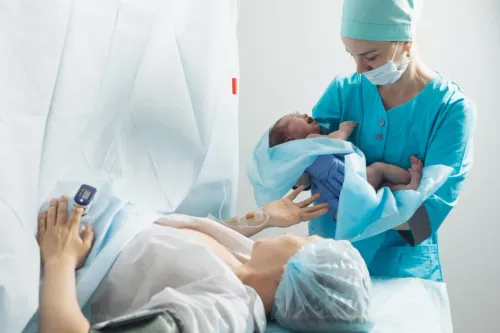
Following the procedure, patients are monitored until they recover from anesthesia before being discharged according to medical advice.
Recovery After Laparoscopic Surgery
Recovery is generally quicker than with open surgery, but following postoperative instructions is essential for proper healing.
Patients are usually advised to:
- Walk gently within the first day if medically appropriate
- Stay well hydrated
- Avoid lifting heavy objects for a few weeks
- Take prescribed medications as directed
- Attend follow-up appointments
- Report persistent fever, severe pain, or unusual bleeding immediately
Most women notice gradual improvement over the following days while returning to normal activities under their doctor's guidance.
Is Laparoscopy Right for Every Woman?
Although laparoscopy offers many benefits, it is not suitable for every medical condition. The decision depends on several factors, including the patient's symptoms, previous surgeries, imaging findings, and overall health.
Your gynecologist will carefully evaluate:
- Medical history
- Current health condition
- Ultrasound and laboratory reports
- Pregnancy status
- Previous surgical procedures
Only after a complete assessment can the most appropriate treatment approach be recommended.
Women in Thane are increasingly choosing minimally invasive gynecological procedures because they often provide effective treatment with shorter recovery times. However, successful outcomes depend not only on advanced technology but also on careful diagnosis and experienced surgical expertise.
Ashwini Maternity and Nursing Home offers comprehensive evaluation for women experiencing gynecological concerns that may require laparoscopic diagnosis or treatment. Every recommendation is based on individual health needs, ensuring patients understand both the procedure and the expected recovery process before moving forward.
Laparoscopy has become an important advancement in women's healthcare by making diagnosis more accurate and treatment less invasive. Early consultation and timely medical intervention allow many women to address gynecological conditions before they progress, supporting better reproductive health and improved quality of life.
Keywords