Many women believe that severe menstrual pain is simply a normal part of life. While mild discomfort during periods is common, persistent pelvic pain, painful periods, or pain that interferes with daily activities could indicate an underlying condition such as endometriosis. Early recognition of the symptoms can lead to timely diagnosis and treatment, helping women manage pain, protect fertility, and improve their quality of life.
Endometriosis is a chronic gynecological condition that affects millions of women worldwide, yet it often remains undiagnosed for years because its symptoms can resemble other health conditions.
What Is Endometriosis?
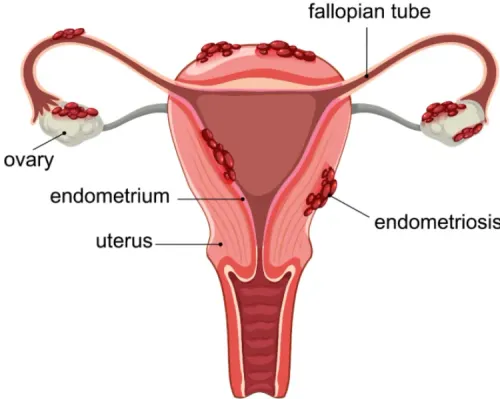
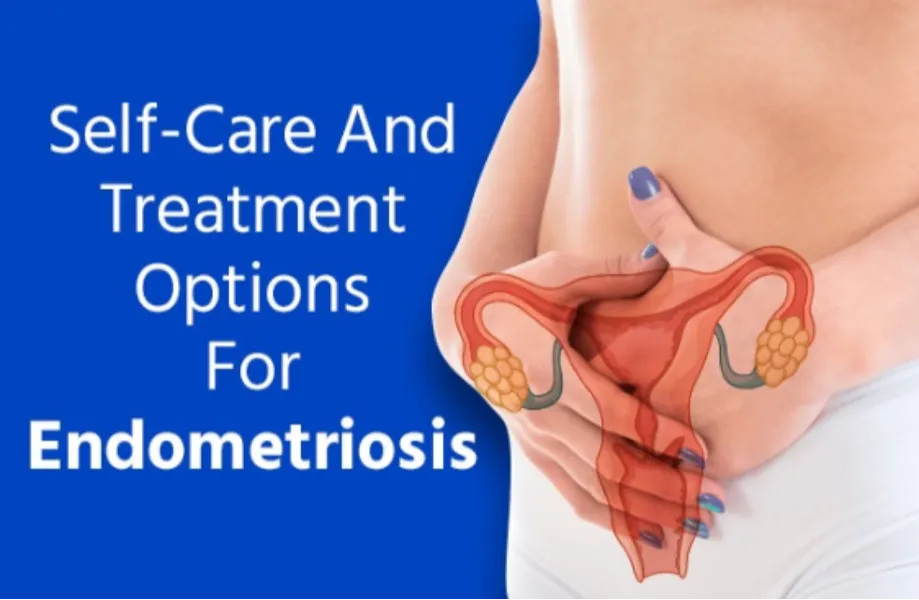
Endometriosis occurs when tissue similar to the lining of the uterus grows outside the uterus. These growths are commonly found on the ovaries, fallopian tubes, pelvic lining, and nearby organs.
Like the uterine lining, this tissue responds to hormonal changes during the menstrual cycle. However, because it cannot leave the body normally, it may lead to inflammation, scarring, and chronic pelvic pain.
Symptoms That Should Not Be Ignored
Every woman experiences endometriosis differently, but some symptoms are more common than others.
These include:
- Severe menstrual cramps
- Chronic pelvic pain
- Pain during or after intercourse
- Pain while passing urine or stools during menstruation
- Heavy menstrual bleeding
- Fatigue
- Difficulty becoming pregnant
- Digestive discomfort during periods
Some women may have advanced endometriosis with very few symptoms, while others experience significant pain even with mild disease.
Why Early Diagnosis Matters
Delaying diagnosis can allow the condition to progress, increasing discomfort and sometimes affecting fertility.
Early medical evaluation can help:
- Reduce chronic pain
- Prevent progression of the disease
- Improve fertility outcomes
- Minimize damage caused by scar tissue
- Provide appropriate long-term management
The earlier treatment begins, the more options may be available.
How Is Endometriosis Diagnosed?
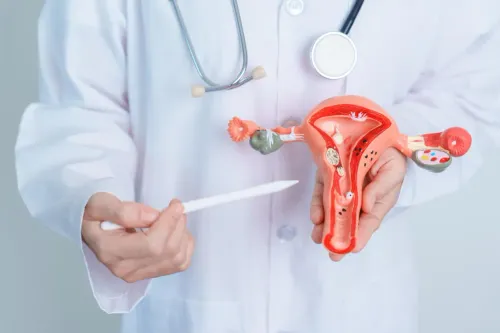
Diagnosing endometriosis often requires a combination of clinical assessment and imaging.
Your gynecologist may recommend:
- Detailed medical history
- Pelvic examination
- Ultrasound scan
- MRI in selected cases
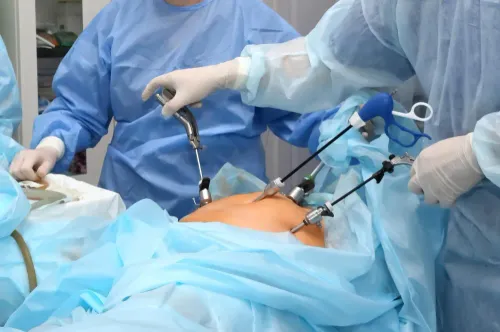
- Laparoscopy for confirmation when necessary
Since symptoms vary from person to person, diagnosis should always be based on a comprehensive evaluation rather than symptoms alone.
Available Treatment Options
Treatment depends on age, severity of symptoms, fertility plans, and the extent of the condition.
Management may include:
- Pain-relieving medications
- Hormonal therapy
- Lifestyle modifications
- Laparoscopic surgery
- Fertility treatment when required
The objective is to reduce pain, improve quality of life, and preserve reproductive health whenever possible.
Living Well With Endometriosis
Although endometriosis is a long-term condition, many women successfully manage their symptoms through regular follow-up care, healthy lifestyle choices, and individualized treatment plans.
Maintaining open communication with your gynecologist helps ensure that treatment can be adjusted whenever symptoms change.
Women in Thane are becoming increasingly aware that persistent menstrual pain should never be ignored. Seeking medical advice early allows specialists to investigate the cause instead of assuming severe pain is simply part of normal menstruation.
Ashwini Maternity and Nursing Home offers comprehensive evaluation and personalized treatment planning for women experiencing symptoms suggestive of endometriosis. Individualized care helps patients understand their condition and explore treatment options based on their health goals and future family plans.
Recognizing endometriosis early can make a meaningful difference in long-term reproductive health. Timely diagnosis and appropriate medical care allow women to manage symptoms more effectively while maintaining an active and healthy lifestyle.
Keywords